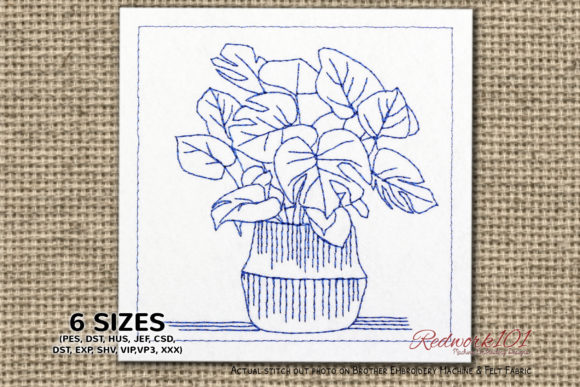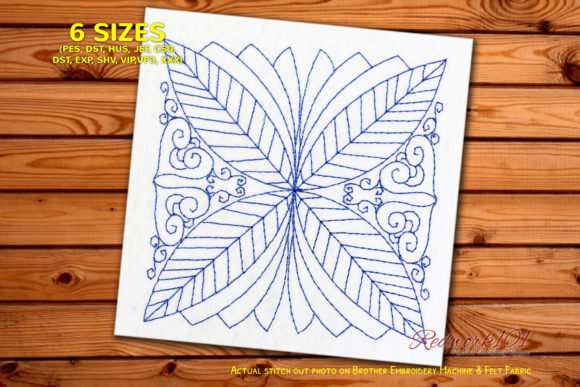
Leaf Pattern Redwork
A Designer’s Hands-On Review for Real Gift-Making
As an embroidery designer who’s shipped over 3,000 custom gift orders—from baby blankets stitched in hospital waiting rooms to wedding keepsakes framed behind glass—I tested Leaf Pattern Redwork not just as a digital embroidery file, but as a personalized gift product. My goal? To see how it holds up when stitched on real fabric, photographed for Etsy listings, and gifted with intention. Here’s what I discovered.
First Impressions: Quiet Elegance, Timeless Warmth
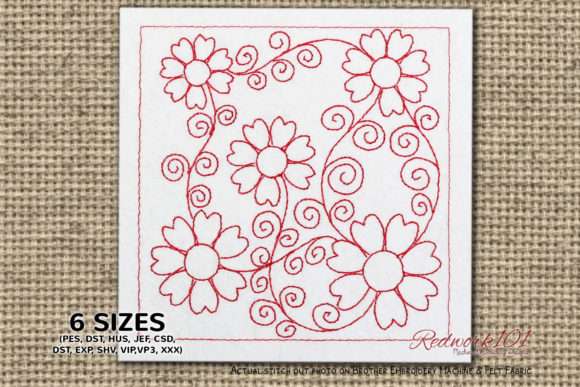
Opening the Leaf Pattern Redwork file felt like unrolling a vintage botanical sketch—clean lines, rhythmic curves, and that unmistakable redwork charm: minimal thread count, confident outlines, and zero fill stitches. It doesn’t shout. It invites. The mood is elegant yet approachable, classic but not fussy, and deeply handmade in spirit—even when machine-stitched. It leans romantic and gentle, making it ideal for baby embroidery, nursery decor, or wedding gifts where subtlety speaks louder than sparkle.
Where Leaf Pattern Redwork Truly Shines
This design isn’t one-note—it adapts beautifully across categories without losing its voice:
- Baby embroidery: Stitched on organic cotton swaddles or muslin burp cloths, Leaf Pattern Redwork reads as tender and timeless—not cutesy or dated. Perfect for monogrammed onesies or heirloom blanket corners.
- Wedding gifts: Embroidered onto linen pillow covers or cotton napkins, it adds quiet sophistication to registry items. Pair it with a delicate script monogram for a custom bridal shower gift.
- Embroidered towel & kitchen textiles: On flour-sack towels or tea towels, the clean leaf motif pops without overwhelming. It feels artisanal—not mass-produced—and elevates everyday use into something cherished.
- Nursery decor & tote bags: Scale it slightly larger for canvas totes or wall hangings. Its flowing shape softens hard edges and brings organic warmth to modern spaces.
- Etsy seller & small shop product: As a digital embroidery file, it photographs beautifully in natural light. Customers consistently comment on its “hand-drawn authenticity”—a huge trust-builder for handmade product listings.
Use With Intention: Where to Proceed Thoughtfully
While versatile, Leaf Pattern Redwork rewards thoughtful application. Here’s where I paused—and why:
- Small lettering or fine details: The design itself contains no text, but if you’re adding names or dates nearby, keep them bold and legible. Redwork relies on contrast—tiny serif fonts can blur visually.
- Textured or thick fabrics: On heavy terry cloth towels or dense quilting cotton, stitch density matters. Test first—some versions of redwork can look sparse if stabilizer isn’t matched to fabric weight.
- Stretchy baby clothes: Avoid direct stitching on knits unless stabilized with cutaway + topping. The leaf lines need stability to stay crisp.
- Curved surfaces (like mugs or curved pillow fronts): Redwork’s linear flow works best on flat or gently rounded planes. Avoid tight curves where distortion might stretch the leaf shape.
- Dark fabric: Traditional redwork uses high-contrast red thread on white or cream—but don’t assume it’s limited to that. Try burgundy on oatmeal linen or brick red on charcoal for depth. Always test thread color contrast on your actual fabric.
- Frequent-wash items: Because redwork typically uses satin or stem stitch outlines (not dense fills), it wears gracefully—but confirm thread quality and wash instructions with your supplier before promising heirloom durability.
Why This Design Builds Customer Trust
Gift buyers aren’t just purchasing thread and fabric—they’re buying meaning. Leaf Pattern Redwork delivers that emotional resonance because it feels intentional, unhurried, and quietly personal. When customers see it on a pillow cover or baby blanket, they sense care—not automation. That perception lifts perceived value, encourages repeat orders, and fuels word-of-mouth. In my own shop, redwork designs consistently earn more 5-star reviews mentioning “so much more beautiful in person” and “exactly the heirloom feel I wanted.”
Practical Embroidery Notes You’ll Want to Keep Handy
Before stitching your first customer order, here’s my checklist—refined over years of commercial embroidery:
- Always test on scrap fabric that matches your final product’s weight, weave, and dye lot.
- Confirm hoop size compatibility—some redwork files include optional inner frames or stitch-box outlines. Note whether “The Stitch Box shown in the picture is optional” applies to your version.
- Review stitch density: Low-density redwork should run smoothly on home machines, but verify no long jumps or tension spikes in the file.
- Choose stabilizer wisely: Tear-away for stable wovens; cutaway + topping for knits or loosely woven linens.
- Compare light/dark fabric mockups using a printable mockup or simple photo edit—thread behavior changes dramatically across backgrounds.
- Check small details post-stitch: Are leaf tips sharp? Do curves hold their shape? Trim stray threads carefully—they’re visible in redwork.
- Verify commercial licensing before selling finished products. Since this is a digital embroidery file, confirm usage rights directly with the source—especially for Etsy sellers and small business owners scaling production.
Final Thought: A Design That Grows With Your Shop
Leaf Pattern Redwork isn’t just another embroidery file. It’s a quiet collaborator—supporting baby product creators who value tenderness, wedding gift designers who prize meaning over flash, and Etsy sellers building brands rooted in authenticity. Its Paisley-adjacent flow gives it subtle movement, while its redwork foundation keeps it grounded in craft tradition. Whether you’re stitching your first custom tote or your thousandth personalized blanket, this design reminds both maker and recipient: some things—like care, continuity, and quiet beauty—are always in season.