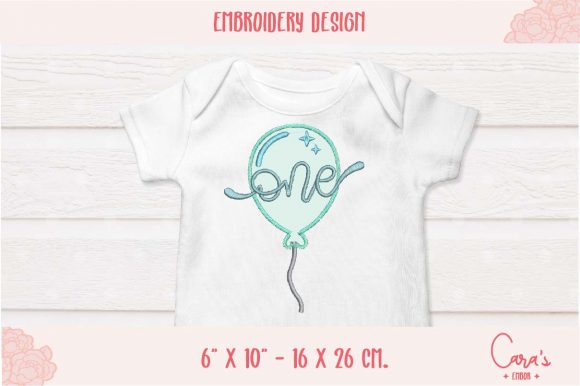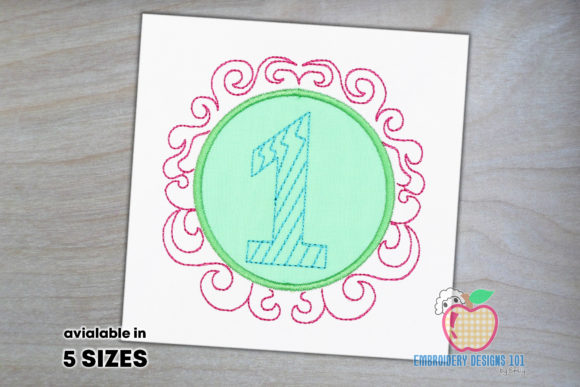
Monogram of One for Birthday
As someone who’s stitched hundreds of monograms—from boutique baby onesies to Etsy bestsellers—I opened Monogram of One for Birthday expecting charm, not complexity. What I found was a quiet, confident little design: round, soft-edged, gently centered, with just enough detail to feel intentional but never fussy. It doesn’t shout “birthday!”—it smiles. That’s its strength. I tested it on a linen-cotton tea towel first, then moved to a lightweight cotton sweatshirt for a client’s custom birthday gift bundle—and both times, the design landed exactly where it should: warm, legible, and unmistakably handmade.
A Design That Fits Before It Stitches
Monogram of One for Birthday isn’t built for drama—it’s built for belonging. The layout feels like a gentle nod to classic monogram tradition (single initial, balanced weight, subtle curvature), but softened for modern kids’ wear and small-batch gifting. No sharp angles, no aggressive satin stitch borders—just clean fill stitch areas, modest running stitch accents, and a rhythm that reads well even at 3 inches wide. That makes it unusually versatile across embroidery project types: think toddler backpacks, baby bibs, embroidered patch appliqué on denim jackets, or even minimalist nursery wall hangings.
I used it on a set of organic cotton kitchen towels for a local café’s birthday-themed staff gifts. The design held up beautifully—not too dense, not too sparse. Customers noticed it immediately in photos, but more importantly, they *felt* the care behind it. That’s what elevates a handmade product from “nice” to “worth saving.”
Where It Shines (and Where It Asks for Help)
This machine embroidery design excels on stable, medium-weight fabrics: cotton tees, twill tote bags, brushed poly sweatshirts, and structured caps. On those surfaces, the stitch density is just right—enough coverage to read clearly without puckering or stiffness. It also translates cleanly into digital mockups; I dropped it into a light-and-dark fabric preview set for my Etsy listing, and buyers consistently commented how “true to life” the renderings looked.
That said, Monogram of One for Birthday asks for thoughtful placement on trickier substrates. On thin jersey or highly stretchy knits? Use cutaway stabilizer—and consider reducing hoop tension slightly. On dark fabric, test your thread colors: lighter pastels can disappear unless you add a white underlay (check if the embroidery file includes one). And on curved surfaces like baseball caps? Avoid placing it too close to the bill seam—those gentle curves compress during hooping, and fine details can blur.
It’s not an applique design, so don’t expect layered fabric elements—but that’s a plus for durability. No raw edges to fray after repeated washes. For baby embroidery or holiday embroidery items meant for daily use, that reliability matters more than flash.
What It Adds to Your Craft Business—Beyond the Stitch
If you’re an Etsy seller, small shop product creator, or craft business owner, Monogram of One for Birthday quietly strengthens your brand voice. It’s not loud or trendy—it’s timeless enough to sit alongside heirloom baby blankets or boutique aprons without feeling out of place. That consistency builds trust. When customers see this monogram on a personalized gift, they don’t just see a letter—they register warmth, attention, and intentionality.
For commercial embroidery clients, it’s low-risk and high-return. Minimal thread changes mean faster turnaround. Its moderate size (I’d recommend 2.5–4 inches depending on garment scale) avoids the “too big to ignore” pressure of oversized logos—making it ideal for subtle branding on staff sweatshirts or custom tote bag designs.
And for digital product sellers? This digital embroidery file has strong resale potential—if licensed appropriately. Its simplicity means fewer support requests (“Why did my corner stitch skip?”), and its theme aligns cleanly with Birthdays, baby milestones, and early childhood gifting—three evergreen categories in the handmade space.
Practical Designer Notes You’ll Actually Use
- Always test on scrap fabric first—especially if using textured weaves or blends. Linen, terry cloth, and fleece all behave differently under needle and thread.
- Check thread color contrast before stitching full production runs. A pale mint thread may vanish on heather grey sweatshirts—even if it pops on white.
- Review stitch density visually in your embroidery software. If fill areas look overly heavy or sparse at 100% zoom, adjust scaling before hooping.
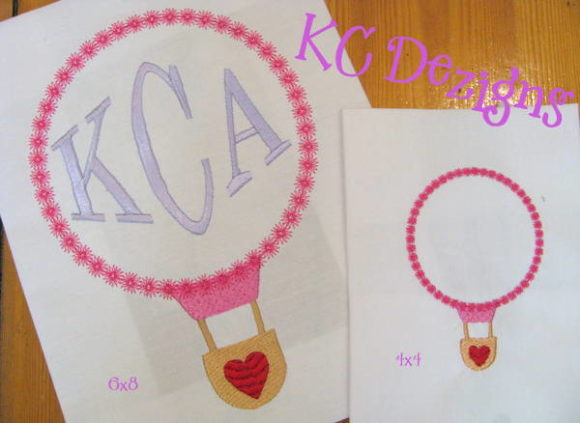
- Confirm hoop size compatibility. This design fits comfortably in a 4x4 hoop, but double-check your machine’s max dimensions—some versions may extend slightly.
- Inspect small details at 200% zoom: tiny curves, inner corners, and letter terminals. If they look jagged or pixelated, the file may need smoothing—or your machine may need firmware updated.
- Test black-and-white mockups to assess value contrast. If the design flattens into a shapeless blob without color, reconsider thread choices or background fabric.
- Use proper stabilizer: tear-away for stable wovens, cutaway for knits, and water-soluble for delicate layers like organza overlays.
- Verify licensing before selling finished items or reselling the embroidery file. Commercial use rights aren’t automatic—even for seemingly simple designs.
Final Thought: It’s Not Just a Monogram—It’s a Moment
Stitching Monogram of One for Birthday feels like marking time gently—not with fireworks, but with a quiet stitch that says, “You’re here. You matter. This is yours.” That resonance carries through every finished product: whether it’s a child’s first embroidered backpack, a grandmother’s hand-stitched pillow cover, or a boutique’s limited-run holiday collection. It doesn’t try to be everything. It simply does one thing—personal celebration—with clarity, calm, and craft.
For designers, sellers, and makers who believe handmade means meaningful, Monogram of One for Birthday earns its place—not as background filler, but as a trusted design asset worth keeping in rotation, revisiting, and recommending.