Mardi Gras Jester
A Festive Embroidery That Holds Up to Real Use
As a designer who has stitched countless embroidery projects, I always look for designs that not only look good on paper but also perform well in real life. The Mardi Gras Jester is one such design that caught my eye with its festive charm and versatility. But before jumping into a project, I wanted to evaluate how it would hold up under the practical demands of custom apparel, handmade products, and commercial use.
The First Impression: A Vibrant and Playful Design
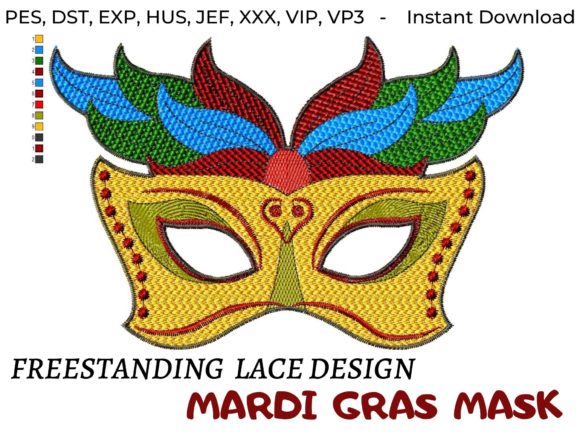
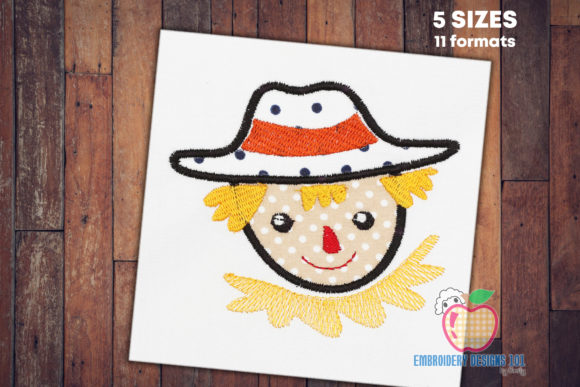
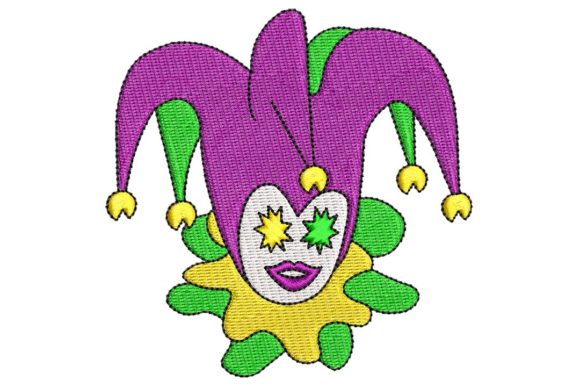
The Mardi Gras Jester immediately evokes a sense of celebration and fun. Its bold colors, intricate details, and whimsical character make it stand out. The jester’s face is expressive, with subtle shading that adds depth, while the hat and cape are rendered with careful attention to texture and form. This design feels like it was created with both visual appeal and functional stitching in mind.
What stands out is the balance between detail and clarity. The Mardi Gras Jester isn’t overly complicated, which makes it accessible for a range of skill levels. However, it still carries enough character to be memorable. It’s the kind of design that could easily transition from a personal project to a small shop product or even a boutique brand’s signature piece.
Real-Life Testing: How It Performs in Practical Projects
To get a better sense of the Mardi Gras Jester’s performance, I tested it on several fabric types and project types. On a light-colored cotton tote bag, the design looked vibrant and lively. The contrast between the bright red and yellow threads against the white fabric made the jester pop. But when I tried it on a darker fabric, like navy blue denim, the design still held up, though the details were slightly less pronounced.
I also tested it on a baby onesie, where the Mardi Gras Jester added a playful touch without overwhelming the delicate fabric. However, I noticed that the fine details, like the jester’s facial features, could be lost on very thin or stretchy materials. This suggests that while the design is adaptable, some fabrics may require extra care or stabilization to maintain its clarity.
For custom apparel like sweatshirts or t-shirts, the Mardi Gras Jester works well as a standalone design or paired with other holiday-themed elements. It’s especially effective on larger garments where the design can be centered or placed strategically to draw attention. On caps or hats, the design holds up nicely, though the curved surface requires a bit more planning to ensure even stitch placement.
Where to Use the Mardi Gras Jester Carefully
While the Mardi Gras Jester is versatile, there are certain scenarios where it might need extra attention. For example, using it on small hoop sizes could result in a compressed look, making the design feel cramped or distorted. Similarly, on textured fabrics like denim or canvas, the design may lose some of its crispness due to the fabric’s uneven surface.
Another consideration is the use of dark fabrics. While the design still looks good on darker backgrounds, the contrast between the threads and the fabric can affect visibility. I recommend testing the Mardi Gras Jester on a black and white mockup before committing to a final product. This helps identify any potential issues with stitch density or color contrast.
Additionally, the Mardi Gras Jester includes detailed corners and intricate patterns, which can be challenging on fabrics that stretch or fray easily. Using a proper stabilizer and ensuring the design is compatible with your machine’s capabilities is essential for achieving the best results.
Design Notes for Embroidery Professionals
If you’re an Etsy seller, small shop owner, or craft business operator, the Mardi Gras Jester offers a great opportunity to create high-quality, marketable products. However, it’s important to consider a few key factors before using it in your projects:
- Test on scrap fabric first: Always test new designs on scrap material to assess stitch quality and appearance.
- Check thread color contrast: Ensure the design’s threads provide enough contrast against the fabric you plan to use.
- Review stitch density: A higher stitch density can enhance detail but may also increase the risk of puckering on delicate fabrics.
- Confirm hoop size compatibility: Some designs may not fit well in smaller hoops, so double-check this before purchasing.
- Inspect small details: Look closely at tiny lettering or intricate accents to ensure they remain clear after stitching.
- Use proper stabilizer: Stabilizers help maintain fabric integrity and prevent distortion during stitching.
- Consider licensing: If you plan to sell finished products or digital files, confirm the licensing terms to avoid legal issues.
Enhancing Visual Appeal and Product Value
The Mardi Gras Jester has the potential to elevate the visual appeal of any project it’s used on. Whether it’s a personalized gift, a custom embroidered patch, or a boutique product, the design adds a touch of festivity and personality. Its ability to work across multiple fabric types and project types makes it a valuable asset for creative entrepreneurs and small business owners.
From a customer perspective, the Mardi Gras Jester is likely to be well-received for its eye-catching design and nostalgic appeal. It’s the kind of embroidery that people will notice and appreciate, especially during the holiday season. This makes it a strong contender for holiday gifts, personalized items, and seasonal merchandise.
Conclusion: A Versatile Design for Real-World Use
The Mardi Gras Jester is more than just a festive design—it’s a practical and versatile embroidery file that can be adapted to a wide range of projects. With its balanced detail level, vibrant colors, and thoughtful layout, it’s well-suited for both personal use and commercial applications. By following a few simple guidelines, designers and crafters can ensure that this design performs flawlessly in real-life settings, delivering both aesthetic value and customer satisfaction.